Bob Dillon's blog
Support Our Troop - Care Packages
Power Outages and Summer Heat
Since we are heading further into spring and getting ready to enter summertime weather. We thought we'd get a list of dos and don'ts when it comes to being prepared when the temperatures reach their peak and what to do when you lose power to your home.
Why You Need a Home Inspection
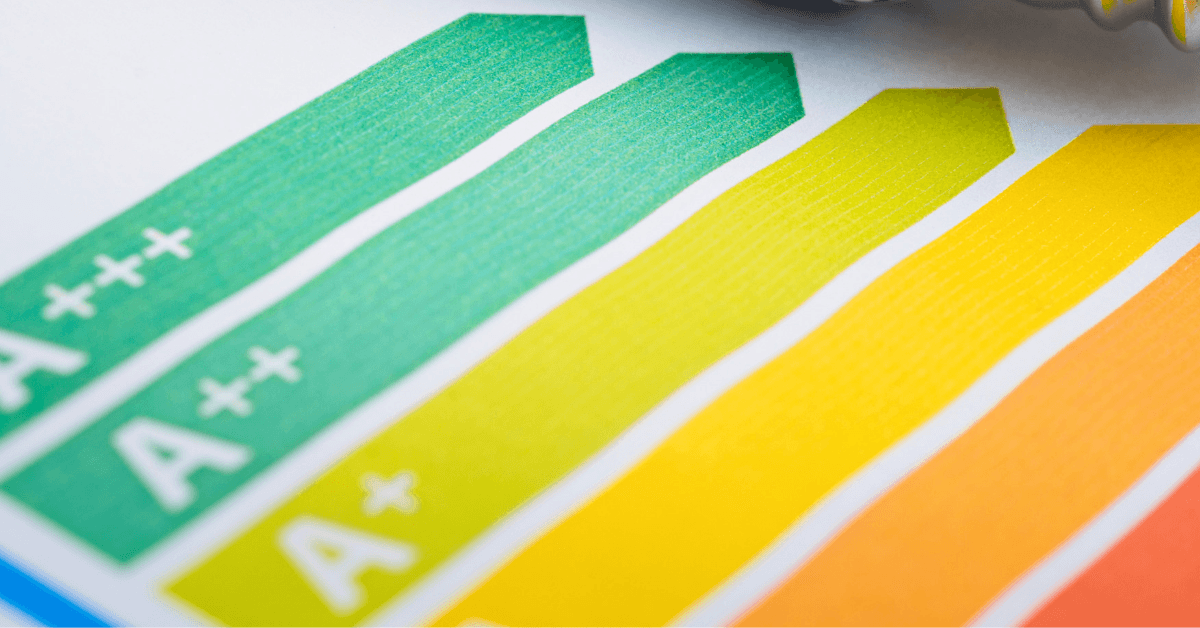
Estimating Appliance and Home Electronic Energy Use
If you're trying to decide whether to invest in a more energy-efficient appliance or you'd like to determine your electricity loads, you may want to estimate appliance energy consumption.
Formula for Estimating Energy Consumption
You can use this formula to estimate an appliance's energy use:
(Wattage × Hours Used Per Day ÷ 1000 = Daily Kilowatt-hour (kWh) consumption
(1 kilowatt (kW) = 1,000 Watts)
Energy Losses and Costs
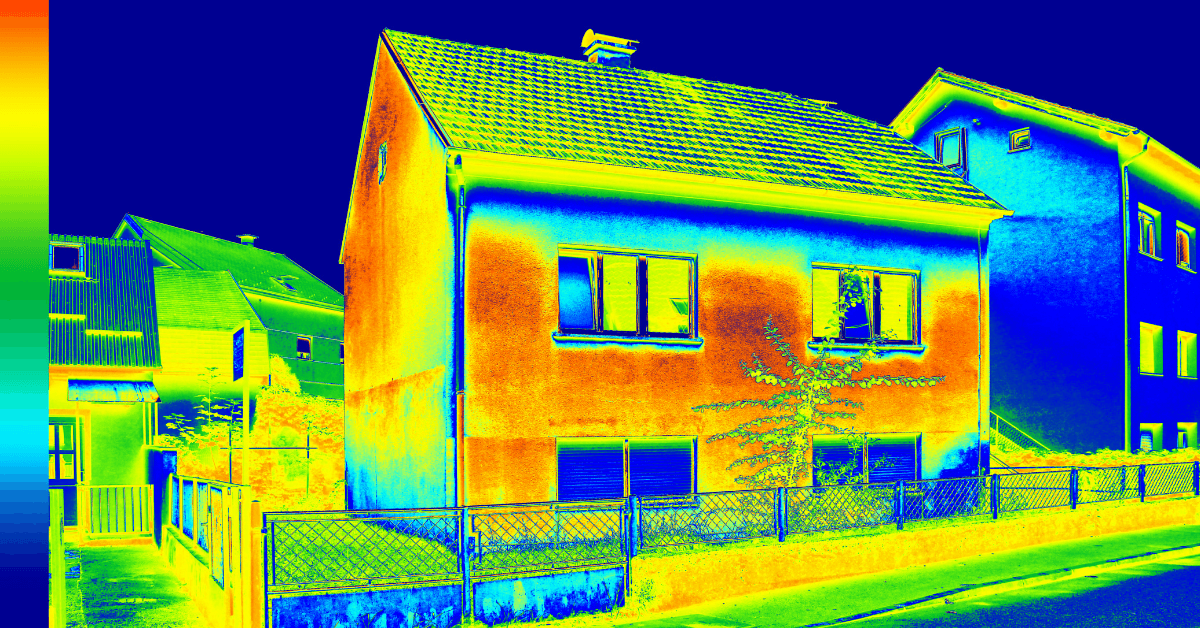
Typical duct systems lose 25 to 40 percent of the heating or cooling energy put out by the central furnace, heat pump, or air conditioner. Homes with ducts in a protected area such as a basement may lose somewhat less than this, while some other types of systems (such as attic ducts in hot, humid climates) often lose more. Duct repairs could be the most important energy improvement measure you can do if your ducts are in the attic. If only one half the typical loss of uninsulated and unsealed ducts that are in attics or crawl spaces were saved, it would amount to $160 off the total heating and cooling bill in a typical home. This savings is based on the national average use of natural gas and electricity for central heating and cooling at national average energy cost of 70 cents per them, and 8 cents per kilowatt-hour. With these savings, the cost to seal and insulate the ducts would most likely be paid for after three years. These estimates apply to retrofitting an existing home. For new construction more of the duct work would be accessible to the installer and the potential savings would be greater; and with lower cost to install sealant and insulate,
FAQ About Lead
Q: What is lead? What are the sources of lead?
A: Lead is a metallic element that is widely dispersed in the environment. It was used in house paint until 1978, when it was banned. It was also widely used in gasoline, but has since been removed. Near major traffic corridors, soils may be contaminated from the long-term use of leaded gas. Also, water is a potential source of lead. This is usually from lead in solder, fixtures and piping in the home. There is no lead in a "lead" pencil!
Space Heating and Cooling
Heating and cooling account for about 56% of the energy use in a typical U.S. home, making it the largest energy expense for most homes. A wide variety of technologies are available for heating and cooling your home, and they achieve a wide range of efficiencies in converting their energy sources into useful heat or cool air for your home. In addition, many heating and cooling systems have certain supporting equipment in common, such as thermostats and ducts, which provide opportunities for saving energy.
Elements of an Energy Efficient House
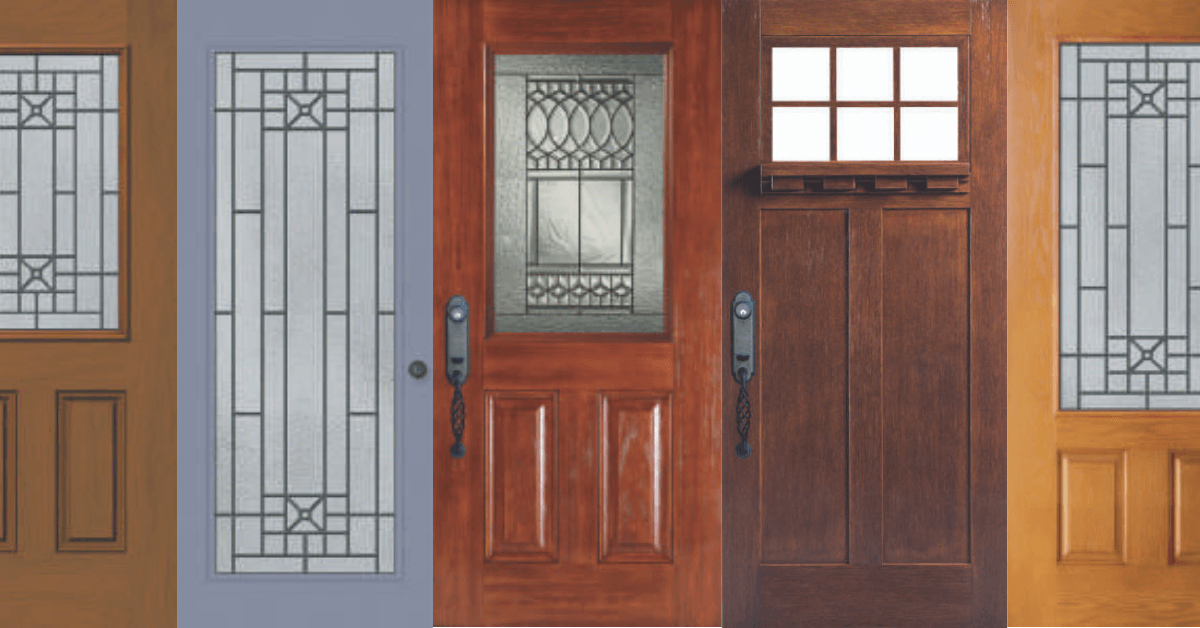
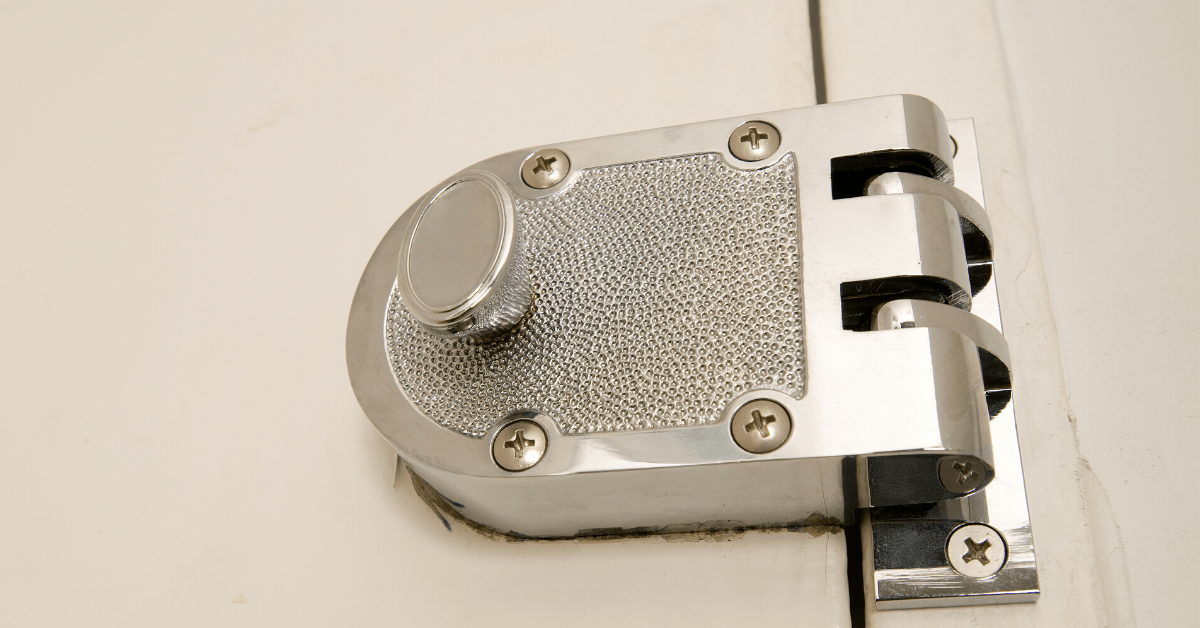
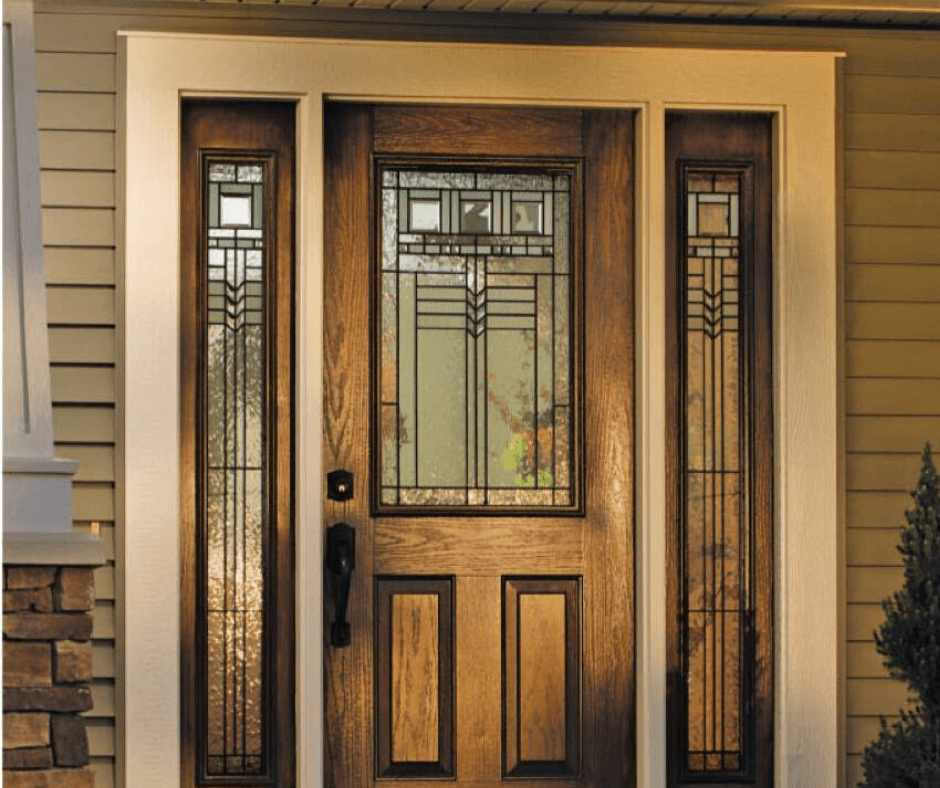
Exterior Door Selection and Installation
New exterior doors often fit and insulate better than older types. If you have older doors in your home, replacing them might be a good investment, resulting in lower heating and cooling costs. If you're building a new home, you should consider buying the most energy-efficient doors possible. When selecting doors for energy efficiency, it's important to first consider their energy performance ratings in relation to your climate and home's design. This will help narrow your selection.
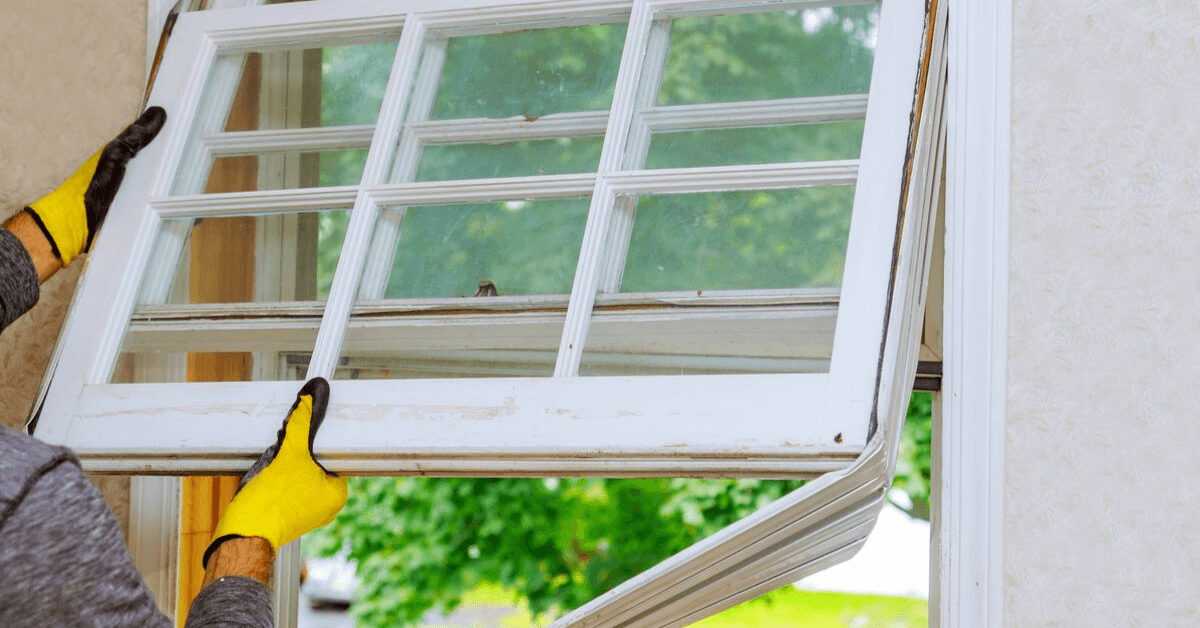
Storm Windows
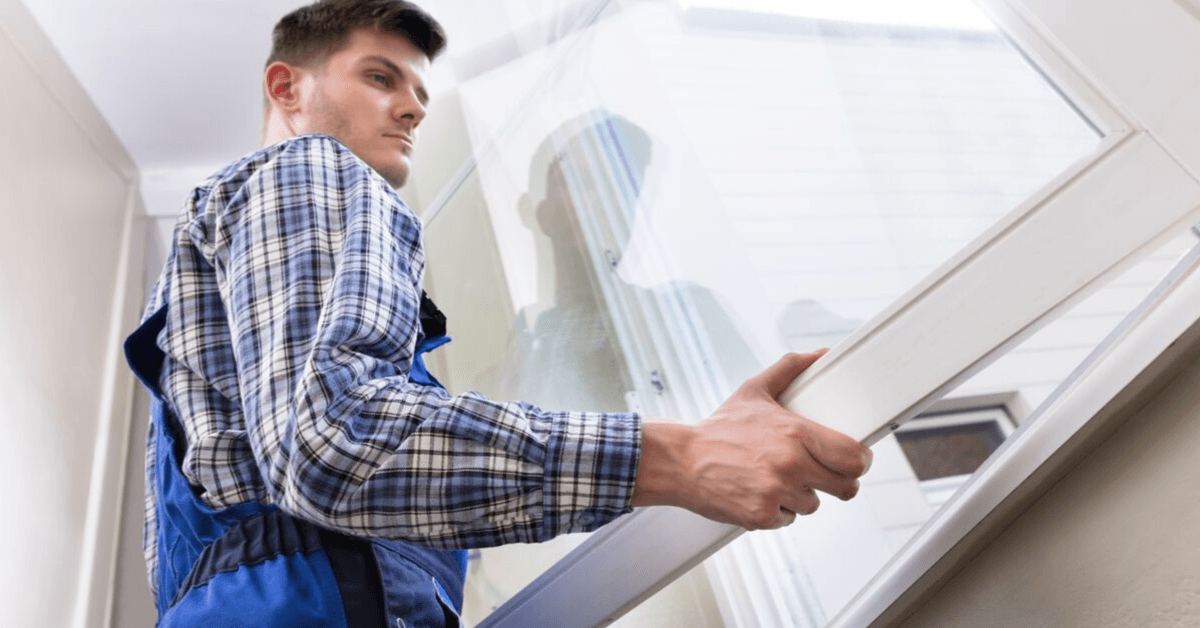
If you have old windows in your home, the best way to improve your home's energy efficiency is to replace them with new, energy-efficient windows. However, if you're on a tight budget, a less expensive option is to use storm windows. Some types of storm windows are also a good option for those living in apartments.